
Blog
Brown Isn’t the Most Brittle LEGO Color—Dark Green Can Be Worse


Ask most collectors which LEGO color snaps first and you’ll hear the same answer: brown—especially older reddish-brown plates that crack under light stress. Fair. Brittle brown is real. But it isn’t always the worst offender. A brittle LEGO dark green batch from a problem production window can shatter even more easily than those infamous brown parts—and clear write-ups of that quirk are still surprisingly scarce.
The short version: dark green isn’t “cursed” forever. A dye/plastic quality batch went wrong in an era when dark green already showed up across a huge range of sets. LEGO later fixed the formula. Only a minority of builds from that window carry the extra-fragile parts. Once you know that, the broken plates in a bin start making more sense.
Why everyone blames brown first
Reddish brown earned its reputation the hard way. Mid-2000s through late-2010s lots of castle, Star Wars, and earth-tone builds used it heavily. Flex a thin plate, twist a hinge, or pry a stubborn connection and you’d hear that sharp crack. Collectors nicknamed it “brittle brown” for a reason.
Dark red and related earth tones from roughly the same period get similar complaints. So when something snaps on the table, brown is the first suspect. That habit is useful—until the green pieces are the ones turning to crumbs.
The wrong guess: rare translucent purple
When people hear “a color more brittle than brown,” rare translucent purple is a popular guess. It looks exotic, shows up less often, and feels like the kind of specialty plastic that might misbehave.
It isn’t the answer here. The brittle color in question is common enough that it historically appeared across a huge catalog footprint—commentary even puts that at 800+ sets over time. The catch isn’t rarity. It’s which production batch you got.
The scene that gives it away: a NINJAGO snake truck
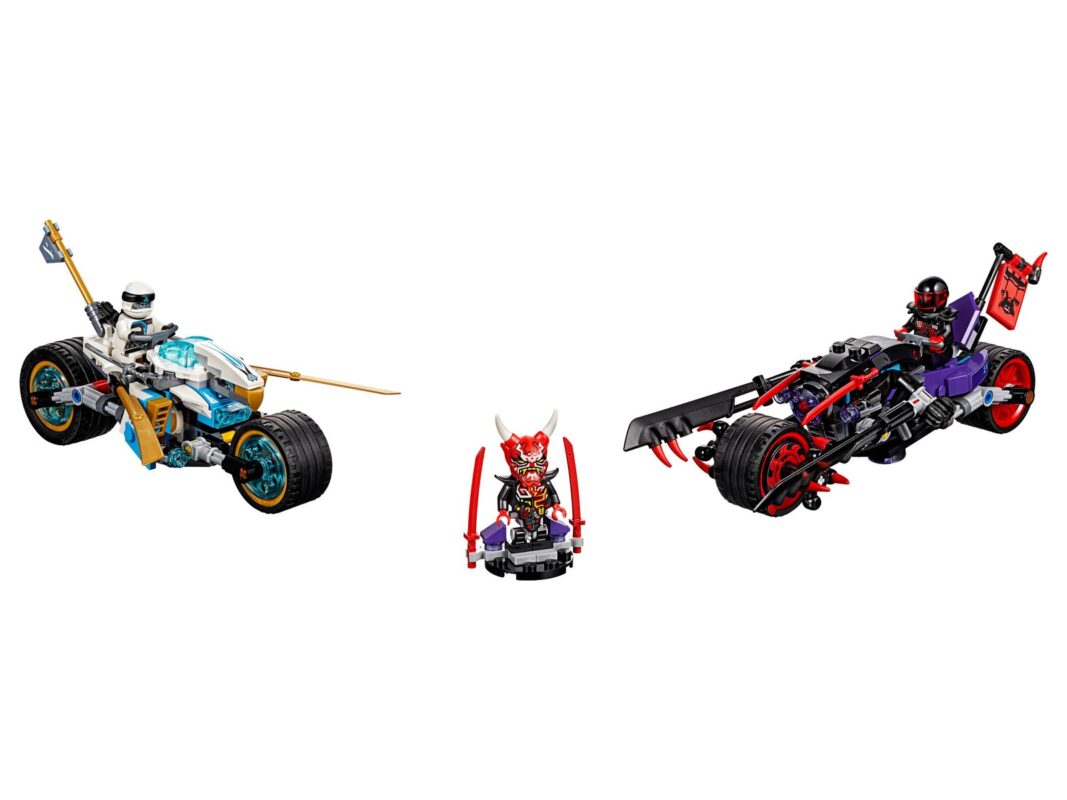
Picture a lime-green NINJAGO snake-truck build in the Rise of the Snakes / Fangpyre vein: snake-head cab with fangs and tongue, big off-road tires, articulated whipping tail, serpentine minifigs next to ninja ZX figures. Work the tail linkage and the joint can grind against the dark green plates and round plates around it. In one bad batch, those plates don’t flex—they shatter.
That’s the tell. Not everyday wear from a decade of play. A production/quality issue that made certain dark green parts unusually fragile. Side-by-side, you’ll also see collectors compare broken reddish-brown plates (“old brown”) and the occasional dark red plate from the same rough era. The point isn’t that every green brick is doomed. It’s that dark green from the bad window can out-brittle brown when stressed.

Dark green: common color, uncommon bad batch
Here’s the nuance collectors need:
- Dark green has been in the system palette for ages—forest builds, vehicles, accents, NINJAGO snake tribes, you name it.
- A problematic production batch made some of those parts especially brittle.
- The formula was updated afterward (collectors often point to dye/plastic improvements around the late 2010s, roughly ~2018–2019 for several known brittle colors).
- So only a minority of sets from that window show the really bad snap. Later dark green is generally fine.
Treat “brittle dark green” as a batch/era story, not a blanket rule for every green brick ever molded. Soft-pedal the chemistry: we don’t need invented resin formulas—just “dye/plastic batch quality went wrong, then got fixed.”

How this fits the wider “brittle colors” lore
Hobby consensus already covers brittle brown (reddish brown) from roughly the mid-2000s into the late 2010s. Dark red, dark green, dark brown, and some pearl gold from overlapping years also show up in breakage reports. LEGO’s later material updates helped. Older sealed bags and used lots from that stretch can still surprise you.
Practical takeaways:
- Don’t force hinges and whip tails on older dark green linkages—support the joint with a finger if you must animate it.
- Separate suspect greens when sorting: if a plate already micro-cracks, bag it before it seeds dust through a display.
- Compare eras, not just colors. A fresh dark green plate from a recent set and a mid-2010s plate are not the same risk profile.
- Brown still matters. Reddish brown remains the classic fragile earth tone; dark green is the quieter overachiever when the batch was bad.

Reddish brown still earns its warning label
None of this absolves brown. Older reddish-brown plates remain the poster child for brittle LEGO plastic. Castle walls, speeder cockpits, and earth-tone interiors from that era still teach the same lesson: gentle clutch, no twisting thin plates like bottle caps.
If you’re rebuilding older sets, expect both stories in one bin—brown that cracks on a light twist, and the occasional dark green plate that fails even sooner when a linkage rubs it the wrong way.

Spotting risk without panic
You don’t need a lab:
- Thin plates and round plates in dark green from the suspect window fail first under grind or bend.
- Articulated mechanisms—tails, necks, walkers—expose the problem faster than static display models.
- Side comparisons help: if dark red and reddish brown from the same era also feel chalky or micro-cracked, you’re probably in brittle-batch territory.
- Skip the hammer gags and stress tests on dark gray slopes “for science.” Visual jokes aren’t proof of which color is worst.
Exact element IDs and which sealed bags contain the bad batch vary. Verify against your own parts before you blame the whole color.

Frequently asked questions
Is brown really the most brittle LEGO color?
Often it’s the first name people give—and reddish brown from older batches is famously fragile. But a bad dark green production batch can be even more brittle under stress.
Why is LEGO dark green brittle?
Collectors frame it as a dye/plastic batch quality issue in a past production window, not normal wear. The formula was later improved; only a minority of sets from that stretch show the worst snap.
Does every dark green LEGO part break easily?
No. Dark green appears across a huge historical range of sets. The extra-fragile behavior is tied to a problematic batch era, not every green brick molded since.
How did collectors notice brittle dark green?
On builds with moving linkages—like a NINJAGO lime-green snake truck with an articulated tail—dark green plates at the joint can grind and shatter when the mechanism flexes.
Did LEGO fix brittle colors?
Hobby reports point to material/formula updates around the late 2010s (often cited near ~2018–2019 for several known brittle colors). Newer production is generally better; older lots can still snap.
Should I avoid buying older dark green sets?
Not automatically. Know the risk, handle articulated joints gently, and inspect thin plates. Treat it like brittle brown: informed caution, not a total ban.
Final thoughts
Brown gets the memes. Dark green sometimes gets the sharper crack. If a NINJAGO snake-truck tail linkage turns dark green plates into confetti, you’re probably looking at a bad batch from a fixed era—not a universal green curse. Sort carefully, flex less, and remember: the most brittle LEGO color isn’t always the one the hobby quotes first.
Want more straight-talk LEGO part and collecting guides? Stay with GENTOYO—clear answers, no fluff.